Luxury is often found in the details. At Forever Amy Muse, every handbag, heel, scarf, and accessory begins as an original work of art before becoming a wearable masterpiece. While bold statement displays capture attention, it is often the carefully curated small displays throughout a boutique that invite customers to pause, explore, and connect with the artistry behind each collection.
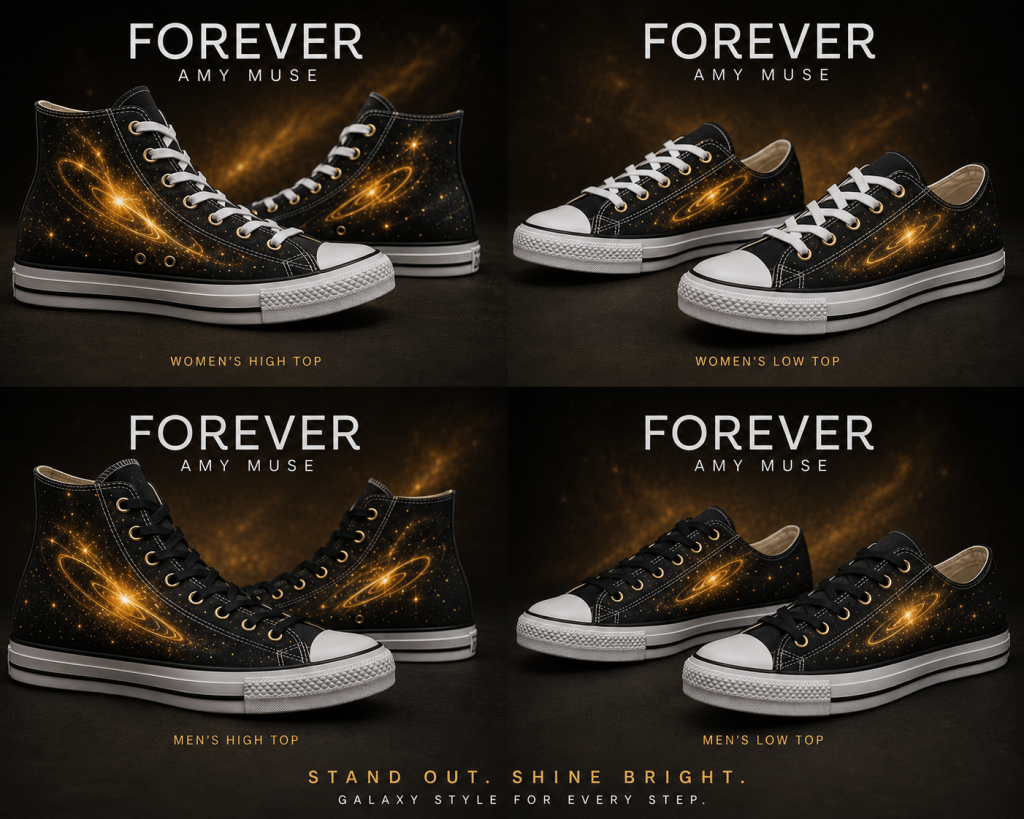
Every Display Tells an Artistic Story
A Forever Amy Muse display is more than a showcase of products—it is a gallery of wearable art. Each collection is inspired by original paintings, vibrant colors, and creative expression. By displaying coordinating handbags, heels, scarves, and accessories together, customers can experience how a single artistic vision comes to life across multiple luxury pieces.
Rather than simply presenting merchandise, each display tells the story of inspiration, craftsmanship, and individuality.
Curating Boutique Moments
Small displays create intimate shopping experiences that encourage discovery. A pedestal featuring a structured handbag paired with matching heels and a silk scarf immediately communicates elegance and versatility. Nearby artwork from the original collection can provide a glimpse into the creative process, allowing customers to appreciate the journey from canvas to couture.
These curated moments transform shopping into an experience rather than a transaction.
Color Creates Connection
The vibrant artwork behind Forever Amy Muse naturally lends itself to eye-catching boutique displays. Grouping products by color palette or artistic collection allows customers to easily visualize complete ensembles while reinforcing the brand’s signature aesthetic.
Whether featuring bold florals, abstract designs, or modern patterns, coordinated displays create harmony and inspire confidence in every purchase.
Showcase the Artist Behind the Brand
One of the unique strengths of Forever Amy Muse is that every luxury accessory originates from original artwork. Including framed prints, miniature canvases, or photographs of the creative process alongside the finished products gives customers a deeper appreciation for the craftsmanship and authenticity behind each design.
This artistic connection transforms every handbag and pair of heels into a collectible piece of wearable art.
Create Complete Luxury Collections

Customers often appreciate seeing how individual pieces work together. Displaying a matching handbag, heels, scarf, wallet, and coordinating accessories encourages shoppers to envision an entire wardrobe built around one artistic collection.
These thoughtfully assembled displays naturally inspire gift purchases, special occasion shopping, and complete collection sales.
Refresh the Experience
Rotating featured artwork and coordinating accessories keeps the boutique fresh and exciting. Seasonal collections, limited-edition designs, and exclusive releases provide opportunities to introduce new displays that encourage returning customers to discover something different with every visit.
Each new arrangement becomes an invitation to experience the latest expression of the Forever Amy Muse brand.
Boutique Details Matter
Elegant lighting, luxurious textures, and carefully selected display fixtures enhance the presentation without overshadowing the products. Acrylic risers, velvet display stands, natural wood accents, and subtle floral arrangements help create an atmosphere that reflects the sophistication of the brand while allowing the artwork to remain the focal point.
The result is a boutique environment that feels welcoming, refined, and unmistakably artistic.
Wearable Art That Inspires
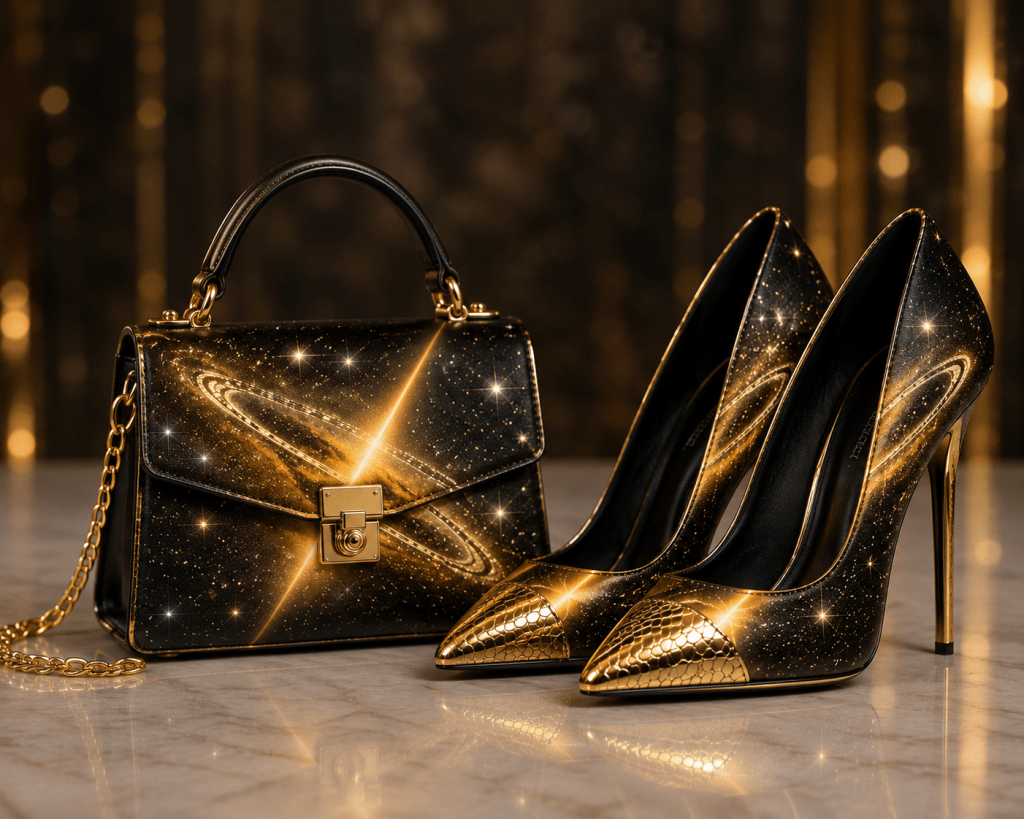
Forever Amy Muse celebrates the idea that fashion can be both beautiful and meaningful. Every handbag, pair of heels, scarf, and accessory carries the spirit of original artwork, allowing customers to express their individuality through designs they won’t find anywhere else.
When thoughtfully displayed, these collections become more than luxury accessories—they become conversation pieces, artistic statements, and lasting memories.
A Boutique Experience Like No Other
At Forever Amy Muse, every display is an opportunity to inspire creativity, celebrate originality, and showcase the beauty of wearable art. From a single handbag displayed beneath its original painting to an entire coordinated collection of luxury accessories, each presentation reflects the brand’s commitment to craftsmanship, elegance, and artistic expression.
Because true luxury isn’t measured by the size of the display—it’s measured by the story it tells and the inspiration it leaves behind.

